
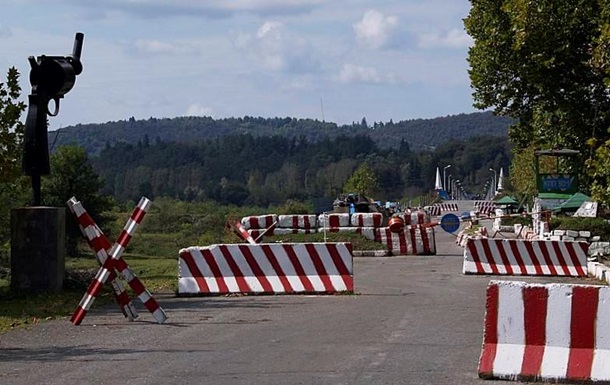
Sukhumi, Tbilisi — 12 Years Later
06/08/2020 14:42:55 Conflicts
Twelve years. Is that a long time or a short one? Viewed through the prism of state development — seemingly not very long, yet a great deal can be accomplished, or at the very least understood, in that time. But viewed through the prism of stagnation or, worse, regression — it is more than enough. Everything depends on whether one chooses to think and strive to change something, or to passively resign oneself to the situation and inevitably slide backward.
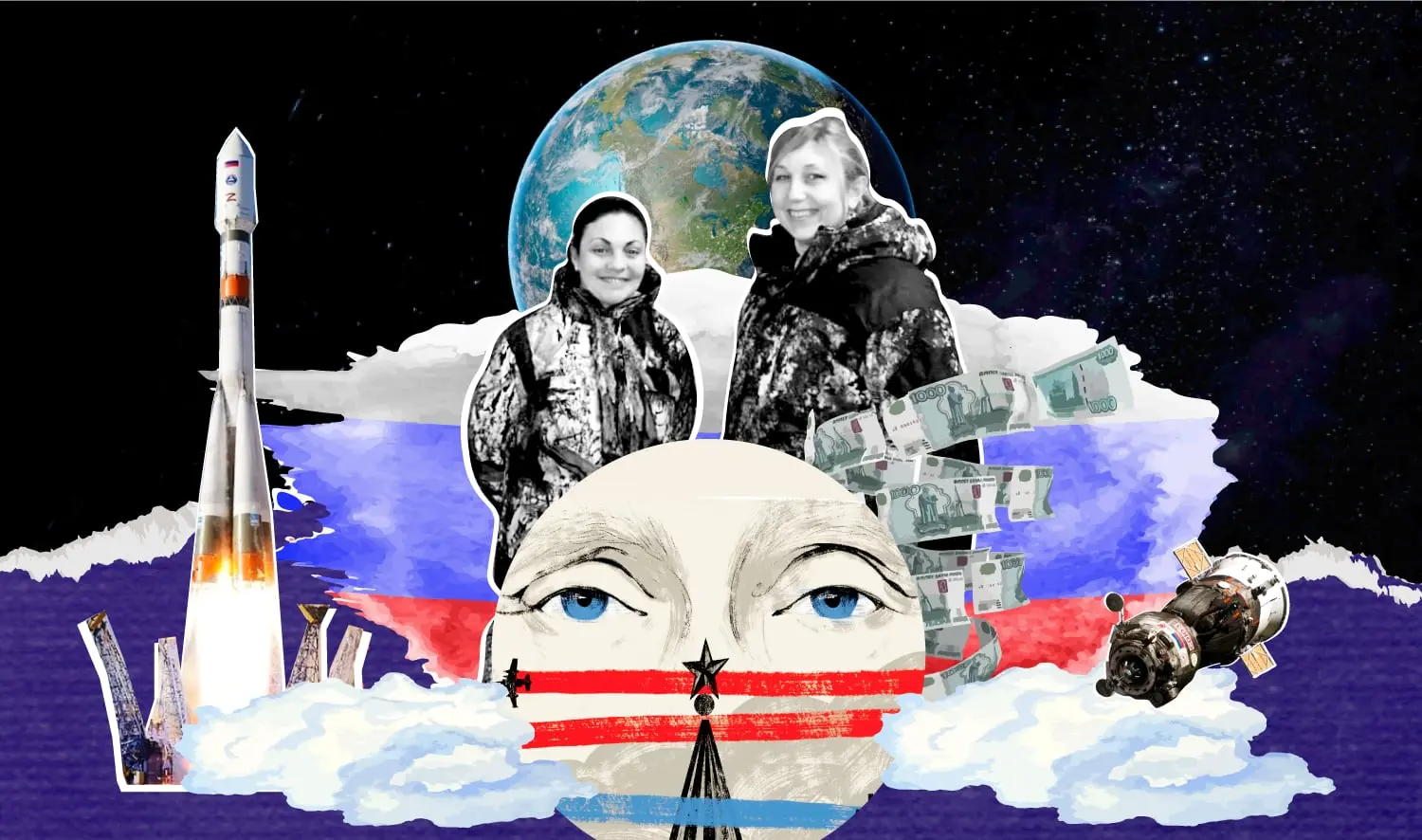
Judging by Abkhazia's current condition, the years of "independence" that have passed since the five-day August war have been, to put it mildly, not the most independent, not the most progressive — and Abkhazia has little to boast of today. Twelve years ago it received recognition from Russia "alongside" South Ossetia — and then, clearly not without Moscow's involvement, from a couple of island nations and a pair of countries with dubious international reputations. We will not "unpack the brackets" here — in the age of the internet, however hard Kremlin propaganda may try, everyone can easily find out what is really going on, how and why.
The twelfth anniversary is not a round number, and Abkhazian society has hardly arranged its "awakening" to coincide with it deliberately. But owing to a number of circumstances about which Accent has written repeatedly of late, it is precisely now, in these past few months, that extremely interesting processes have begun unfolding in Abkhazia — processes that inevitably attract attention, including from Georgian society.
Georgian society itself, over these twelve years — nursing its wounds (approximately 400 civilians were killed during the five-day war, and more than 26,000 people became refugees) — has been trying to understand and make sense of much, and to move forward cautiously. Some things have worked out; others have not. There are both subjective and objective reasons for this. The main obstacle, as with so many other post-Soviet states, is universally recognized and well known: the Kremlin's policy. And we will not "unpack the brackets" again here — unlike in 2008, the entire civilized world can now see with its own eyes what it is dealing with in the form of Putin's Russia. Even within Russia itself, many have "awakened" over these years — including regarding the real causes of the war of 08.08.08, which in fact began much earlier. Any Abkhazian reader with internet access can easily verify this for themselves right now.
Georgia's chosen path of development is unwavering — European and Euro-Atlantic integration. Its chosen path for resolving conflicts is peaceful. And the fact that the peaceful path has not merely been declared but genuinely chosen is evidenced by the numerous peace initiatives of these years — not only formally written down on paper, but genuinely operational, their effectiveness personally verified by many Abkhazians and Ossetians already.
Whatever Kremlin propaganda may say or write, it is precisely on the path of peaceful conflict resolution that Georgia's Western partners support it — advising the country to continue its democratic and economic development steadfastly, despite crude pressure and the endless obstacles thrown in its way by the Kremlin.
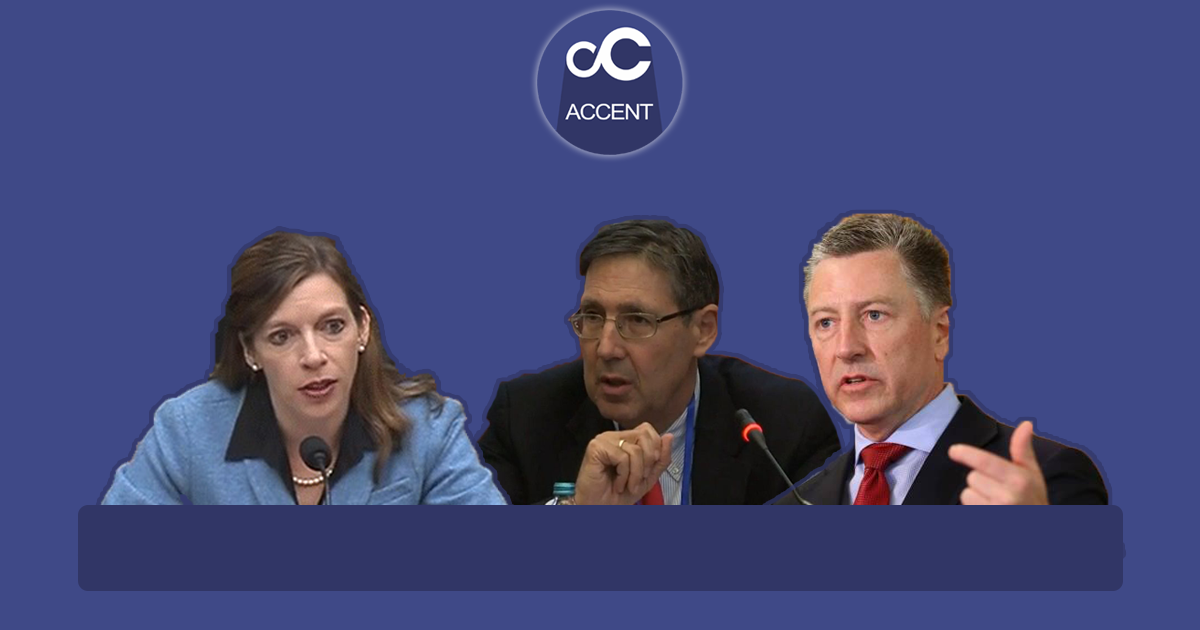
On the question of how Georgia should proceed after twelve post-war years, former US Secretary of State Condoleezza Rice — the very one who flew to Tbilisi on an emergency visit in August 2008 — recently offered her view:
"About Georgia, I will say what I said to Georgians then, just as I said to Ukrainians and others. Perhaps the international circumstances are not favorable, but you must build your country yourselves. You must build your own democracy, your own economy. The international system can help you, but everything starts at home, with good governance. Georgian democracy has had its ups and downs, but it has survived. I think that is good — it is a good sign."
Critics of the current Georgian government frequently reproach it for the fact that, due to its policy of "not irritating Russia," the advance of Russian forces deeper into Georgian territory continues, as do the abductions and detentions of local residents near the dividing line. However, not a single Georgian politician has leveled accusations against the government on the grounds that it failed to attempt to resolve the conflicts by military means. You can search for such accusations as long as you like — you will not find them.
As for Georgian society, attitudes toward the current government — naturally shaped by far more than just conflict resolution policy — vary from person to person. Yet everyone agrees on one thing: war is unequivocally not the answer.
This is confirmed by another small opinion poll conducted by Accent, as promised in previous articles:
Guga, 37: "What war, what are you talking about? It's the 21st century — only states 'stuck' in the past still wage wars! Do I believe in the peaceful resolution of conflicts? I'm not expecting quick results, but this long and perhaps even tedious path for some is the only possible one — there simply is no other. At some point it will inevitably bear fruit and we will all breathe a sigh of relief — Georgians, Abkhazians, Ossetians — everyone."
Nini, 16: "Of course, for me, purely from an emotional standpoint, Abkhazia cannot mean as much as it does to the older generation — I have never seen it and have never spoken with its residents. But seeing the expressions on the faces of some of my relatives who are originally from Abkhazia, seeing how their eyes change when it is mentioned during, say, a dinner gathering, I understand that this is not just some territory, a piece of land — it is much more than that, much more significant to them. It is love, neighbors, friends, relatives, some special atmosphere — as they describe it. Yes, I also heard about some amazing Gagra ice cream from years past — well, you know, I'm a child, so naturally I remembered the ice cream. In any case, it is people's pain, a wound that has not healed in all these years, and I don't think it ever will until the problem is resolved. How to resolve it — I don't know, but certainly not through war — that much is clear, because wounds — both physical and emotional — are healed not by war but by the very opposite. I can only say that I would love to have the opportunity to talk with my peers from there — we would talk, discuss things, maybe even argue, but we would eventually reach something, find a solution. But when Russian soldiers stand between people and prevent us from making contact, it is of course very difficult to find common ground. I think that is exactly why they are stationed there. But even now it is possible — there is the internet, there are social networks. One must try — where there is a will, a way will be found."
Manana, 59: "My dear Abkhazians — neighbors, friends, relatives. We have spoken so many times already, we understand each other, there seems to be nothing new to say, and perhaps nothing needs to be said. Just know that I remember you, I love you, I miss our past, I cry often — I am no longer at the age where much time remains. But I still hope to manage to embrace you all — that is all."
Tornike, 42: "Difficult, but necessary — that is how I would describe our current relations with the Abkhazians. Difficult not because we cannot bring ourselves to sit down and talk, but because someone is getting in the way — everyone knows who. And that it is necessary to talk — both we and they understand, that is certain. I will say even more — I know that conversations are already happening, and that is wonderful. Those who want to survive know how to leave the past in the past. We need to talk about it, to go through it together — who went wrong where and how — but then move forward, not get stuck in what has already passed. Start with simple topics — even the weather — and then gradually move toward more serious matters. Now, I hear the Abkhazians are in a difficult situation — so we should help them as much as we can, what is there to deliberate for so long? I know we are helping, I know Russia is interfering, but we must continue to do so and seek points of common ground. They already exist, but there need to be more — then in time everything will improve. Willingness and patience — those are probably what we need to rely on."
Aka, 23: "You know, historical dramas are my favorite genre — both in cinema and in literature — and so I can name countless examples of peoples who once fought each other and at a certain point united against a common enemy, or made other seemingly unconventional decisions at first glance. Incidentally, in our own history — the history of Abkhazian-Georgian relations — there were some very interesting moments: at times Georgians supported Russia in certain wars while Abkhazians opposed it, and at times the reverse. Everything changes, and this absurd current situation will change too — I am certain of it. I am not even particularly worried about it — peace will return, mutual understanding and mutual respect will return, everything will be fine. Just hold on, Abkhazians, don't give in to a certain someone, and we on our side will try to help you. Let's just talk less and do more — grow stronger, build, develop, strive not toward totalitarian, backward, aggressive countries but toward the civilized world; trust not in fairy tales but in our own eyes; think not about the past but about the future and act with our own minds. And seek communication by every available means."
That, roughly, is how people think in Tbilisi twelve years on. And what do you think — in Abkhazia?
Opinions expressed in the publication reflect the views of the author and do not necessarily represent the position of the editorial board.