
"Abkhazia Is Capable of Deciding for Itself With Whom to Build Equal Relations — and That Choice Is Not Currently in Russia's Favor"
12/07/2020 14:38:20 Conflicts
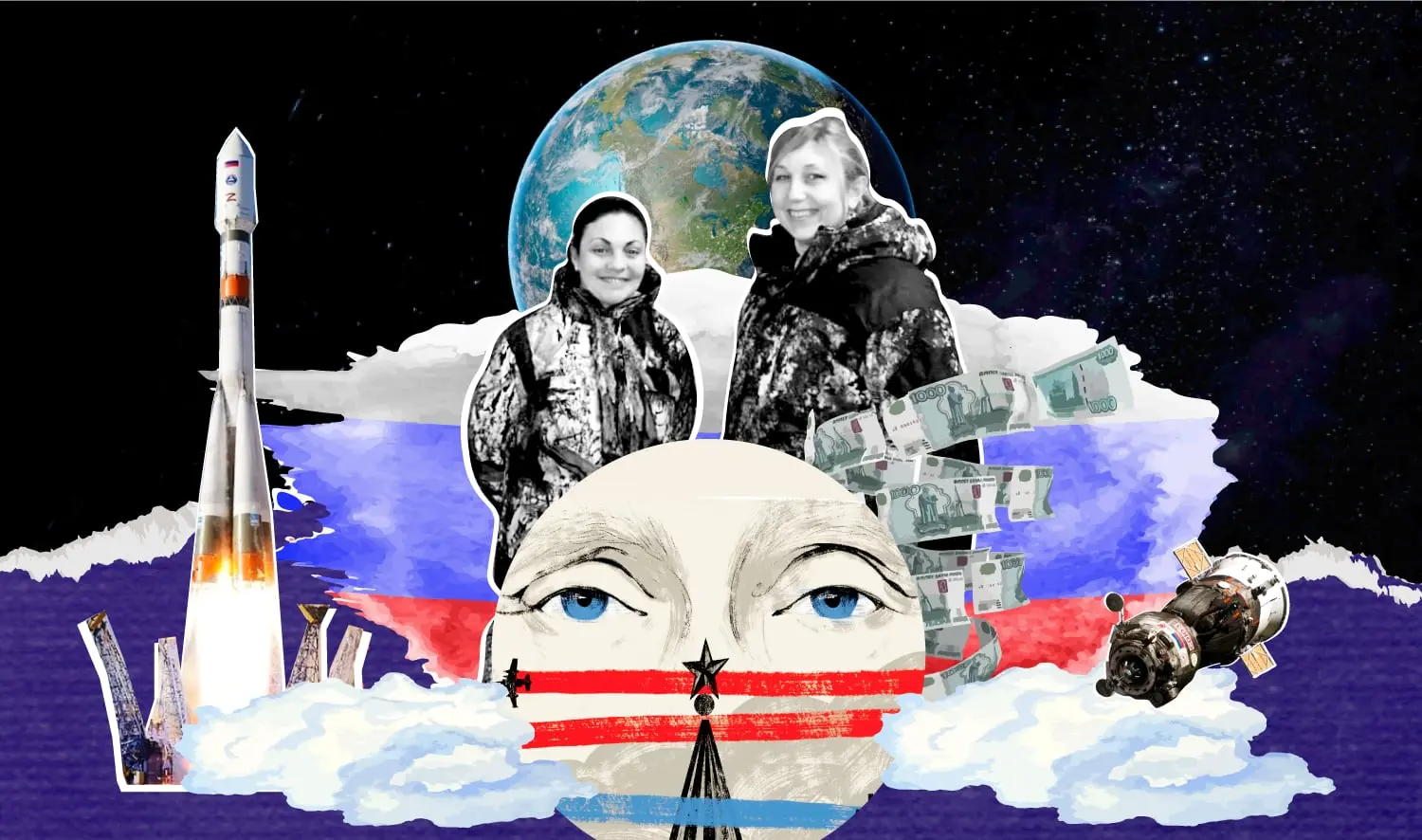
A new scandal is erupting in Abkhazia. This time, the catalyst for a protest campaign that is rapidly gaining momentum is the program of the Russian party "For Truth," led by writer Zakhar Prilepin, which proposes that Abkhazia hold a referendum on joining the Russian Federation.
Various Abkhazian parties, the Parliament, and the republic's Foreign Ministry have already responded to the matter in fairly sharp terms.
This is not the first time that Russian politicians and certain media outlets have allowed themselves to circulate publications on the subject of Abkhazia's possible incorporation into Russia. Such publications most often appear on the eve of some important decision. As practice has shown, Russia uses these methods to "squeeze" the republic — forcing it, for instance, to sign documents that are detrimental to the young state.
"Even though such statements are themselves grounds for serious criminal prosecution, no one in Russia saw fit to react — not merely to words, but to an entire political party platform published on the official website of a Russian state body. This reveals Russia's true attitude toward Abkhazia's status. All of these processes have an important subtext that no one sees fit to explain to Abkhazian society," says civic activist Tengiz D.
In his view, "only fools can engage in such talk today," and the fact that "no one in the Russian establishment paid any attention to it is a troubling sign."
Another interlocutor, Artur Ch., shares this view.
"As is well known, Russia frequently employs a tactic whereby some well-known — or conversely, obscure — political organization or 'figure' begins to voice a certain idea, which is then picked up by the country's leadership. I fear that the theses put forward by Prilepin may be the opening move in a much larger and more serious game, the outcome of which could cost Abkhazia dearly — up to and including the loss of its statehood," he believes.
Member of Abkhazia's Parliament Ilya Gunia went further in his accusations, stating that "strategic partnership does not imply any change to Abkhazia's status as enshrined in our Constitution."
Timur Gulia, head of the war veterans' organization "Aruaa," goes so far as to argue that "the state's foreign policy course, oriented toward independence, is being subjected to revision."
"We are compelled to remind Abkhazia's leadership that we did not defend this country and face death so that our people would once again find themselves on the brink of destruction," says Gulia.
Politicians have called for open parliamentary hearings, with the president of Abkhazia in attendance, devoted exclusively to this issue. All of our interlocutors agree that "Russian politicians have been let off the hook for various provocations for far too long, which is precisely what emboldened them to venture into this forbidden territory."
It is noteworthy that when, in early July of this year, the American authorities expressed concern over the referendum on amendments to Russia's Constitution, the Russian Foreign Ministry immediately called on the United States "not to interfere in the internal affairs of other states." Official Foreign Ministry spokesperson Maria Zakharova added that "every state has the right to its own domestic, foreign, economic, cultural, and humanitarian policy." And this, mind you, was the reaction to a mere remark from the Americans. Yet in Abkhazia's case, the very status of an independent state is something an entire Russian political party wishes to nullify — and neither the Russian Foreign Ministry nor any other state body has seen fit to offer the people of Abkhazia any explanation whatsoever. Let alone an apology.
Meanwhile, Russia has entered a period of sweeping reforms. What kind and to what end — an interesting question, which at first glance may seem to have little relevance to Abkhazia. And yet something curious is happening: in this large country — one in which democracy is a proclaimed but unapplied principle of governance — talk of the independence of neighboring small states has suddenly grown more frequent. The people of South Ossetia may well welcome such developments (they have long sought to join Russia), but for Abkhazia, this is a forbidden subject. Incorporation would place Abkhazia on par with the North Caucasian republics — and Russia has long since drawn a red line for them, beyond which they are not permitted to step: to develop, to improve, to flourish.
This is precisely what makes the "revelations" of the Prilepins of this world so dangerous — people who have, in essence, never regarded Abkhazia as a strategic partner. And since a supposedly friendly neighbor has begun to speak in such terms, it should know that the people of Abkhazia are fully capable of deciding for themselves how to live, with whom to build friendships, and with whom to pursue equal relations. And that choice is clearly not currently in Russia's favor.
Madina Adleyba
The text contains place names and terminology used in the self-proclaimed Republic of Abkhazia. Opinions expressed in the publication reflect the views of the author and do not necessarily represent the position of the editorial board.